Ontario is too large to treat as one fishery. Walleye in Lake Erie's open water call for a different plan than fish tucked along a stained Northwest Ontario shoreline. Travel, boat needs, weather, access and lodge style also change from region to region. Thinking by region helps you find a trip that fits before you compare individual lakes. It also keeps drive time, border crossings, fuel stops and launch choices in the plan from the beginning.
Regional lines are useful guides, not hard fishing boundaries. Every large area holds clear lakes, stained lakes, rivers, reservoirs and small backcountry water. Even nearby lakes can have different forage and seasonal timing. Use this page to pick a broad direction, then study the lake, Fisheries Management Zone and local services. That order turns a huge list of Ontario waters into a manageable choice.
Northwest Ontario
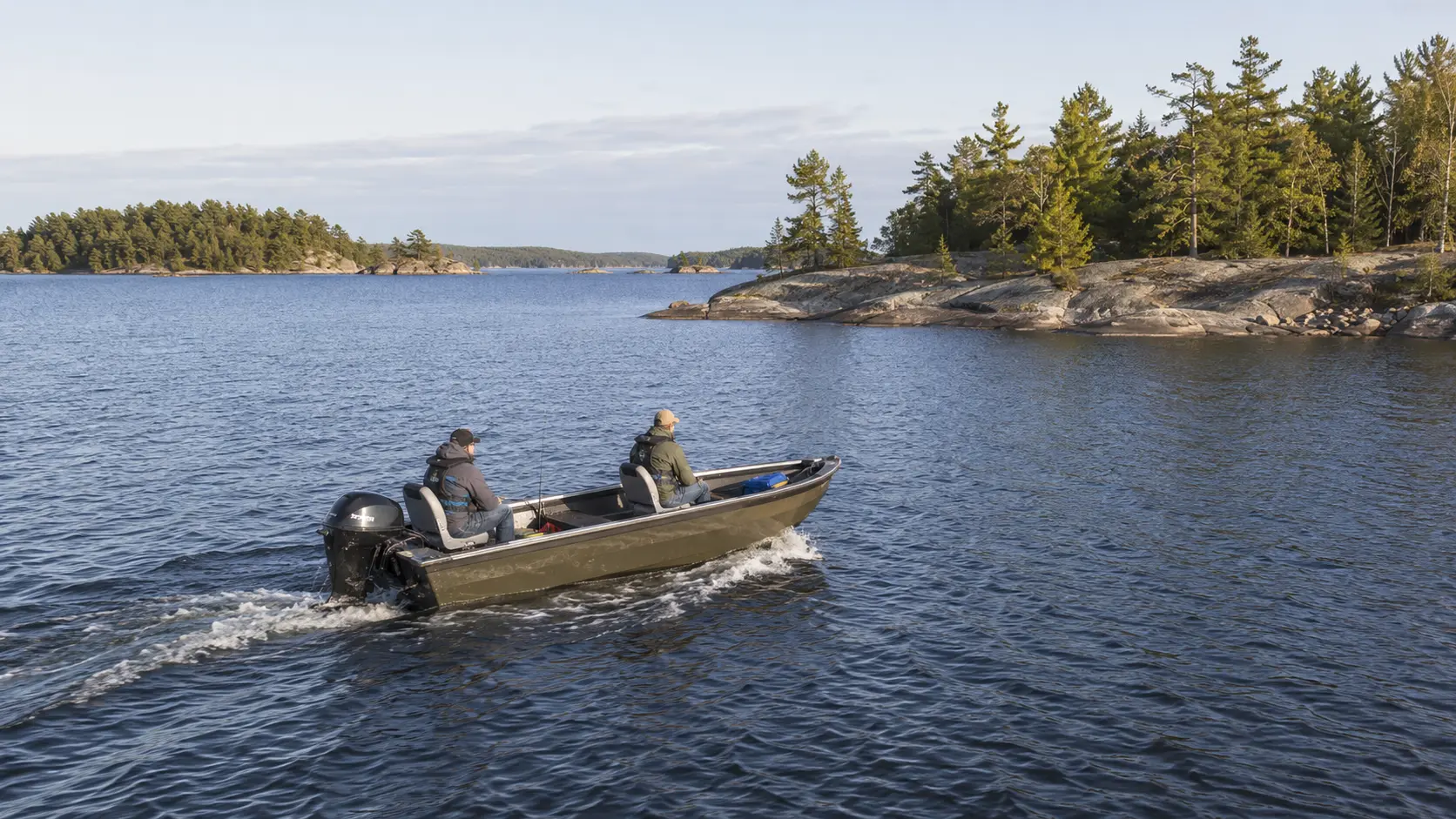
Northwest Ontario is classic walleye country. Lake of the Woods, Lac Seul, Rainy Lake, Eagle Lake, Wabigoon Lake and many smaller waters give anglers a wide range of drive-to, boat-in and fly-in trips. Tea-stained water is common, though clarity varies. Islands, reefs, points, narrows and current areas create many fishing choices. Jigs and live bait have a long history here, while plastics, crankbaits, spinner rigs and modern sonar methods are equally useful. Kenora, Dryden, Fort Frances, Sioux Lookout, Red Lake and Ear Falls serve as gateways. Long distances make fuel and grocery planning important.
Northeastern Ontario
Northeastern Ontario places productive walleye water within a day's drive of much of southern Ontario. Lake Nipissing, the French River, Lake Temagami, the Ottawa River and many smaller lakes offer resorts, cabins, campgrounds and public launches. Water ranges from broad and windswept to narrow and sheltered. Weed fishing can be important on some lakes, while rock, current and deep structure lead on others. North Bay, Sudbury, Temagami, West Nipissing and communities along Highway 11 and Highway 17 make useful travel bases. This region works well for weekend trips, family weeks and anglers bringing their own boats.
Algoma and the Lake Superior corridor
The Algoma region and Highway 17 corridor mix inland walleye lakes with rivers and the vast waters connected to Lake Superior. Towns such as Sault Ste. Marie, Wawa and Chapleau lead to many lodges and backcountry routes. Cold, clear water is common in parts of the region, but productive stained lakes and river systems are also present. Anglers may share the water with pike, bass, lake trout and brook trout. Granite shorelines and steep depth changes reward careful map work. Weather near Lake Superior can stay cool, so bring warm layers even when the rest of Ontario is hot.
Lake Erie and the southwest
Southwestern Ontario gives anglers access to Lake Erie, Lake St. Clair and connected river water. Lake Erie is the leading walleye draw, with charter boats and public launches along its north shore. Open-water trolling is the main language here. Planer boards, diving devices, lead-core line and carefully chosen crankbait or spoon depths help cover large areas. Spring and summer movements can shift productive ports and distances from shore. The lake can build steep waves quickly, and warm weather does not remove that risk. New anglers may learn more in one day with a respected charter captain than through several uncertain solo trips.
Eastern Ontario
Eastern Ontario includes the Bay of Quinte, Ottawa River, Rideau waterway and many lakes north and west of the main cities. Quinte receives much of the walleye attention, due in part to large late-season fish, but the region also holds varied river and lake fishing. Current, weeds, channels, basin edges and baitfish movement can all matter. The area is within practical reach of Toronto, Ottawa and border crossings from New York State. That makes it a good choice for shorter trips. Boat traffic can be heavier near settled areas, so early mornings and weekday outings may give a quieter day.
Central and cottage-country water
Central Ontario has fewer famous walleye names than the north, but it offers many accessible lakes and rivers within cottage country. The Trent-Severn system, Georgian Bay tributary areas and inland lakes can hold walleye where seasons and local rules permit. These waters may receive more fishing pressure, so low-light periods, weekday trips and less obvious structure can pay off. Weed edges, current, rocky points and basin transitions are useful places to check. Some lakes have closed walleye seasons or special limits. Never rely on a rule remembered from another lake, even when the two waters are close together.
Remote north and fly-in water
Far northern fly-in trips trade road access for quiet water and a strong sense of distance. Packages range from full-service lodges to private outpost cabins where guests handle boats, meals and daily plans. These trips require careful packing because forgotten gear may not be replaceable. Ask about aircraft baggage limits, supplied safety items, boat motors, fuel, bait, refrigeration, drinking water and communication. Fishing may be very good, but remote water still asks anglers to read weather and fish movement. A clear packing list and a capable group leader help everyone settle in quickly and use each day well.
Match the region to the group
Put the group's needs beside the regional choices. Northwest Ontario suits longer lodge stays and anglers drawn to island-filled shield water. The northeast gives many drive-to choices and easier repeat trips from southern Ontario. Lake Erie suits open-water trolling and charter days. Eastern Ontario works well for shorter drives from major population centres. Algoma offers a strong mix of inland lakes and rugged travel scenery. Remote northern water fits self-reliant groups ready for careful packing. Once two regions stand out, compare individual lakes, operators and travel dates. This order saves time and keeps the booking tied to what the whole group wants.
Also compare backup activities, nearby services and sheltered fishing water. These details matter when wind changes the plan or part of the group wants a shorter day. A region with several workable choices can keep the full week enjoyable without forcing every guest into the same schedule.