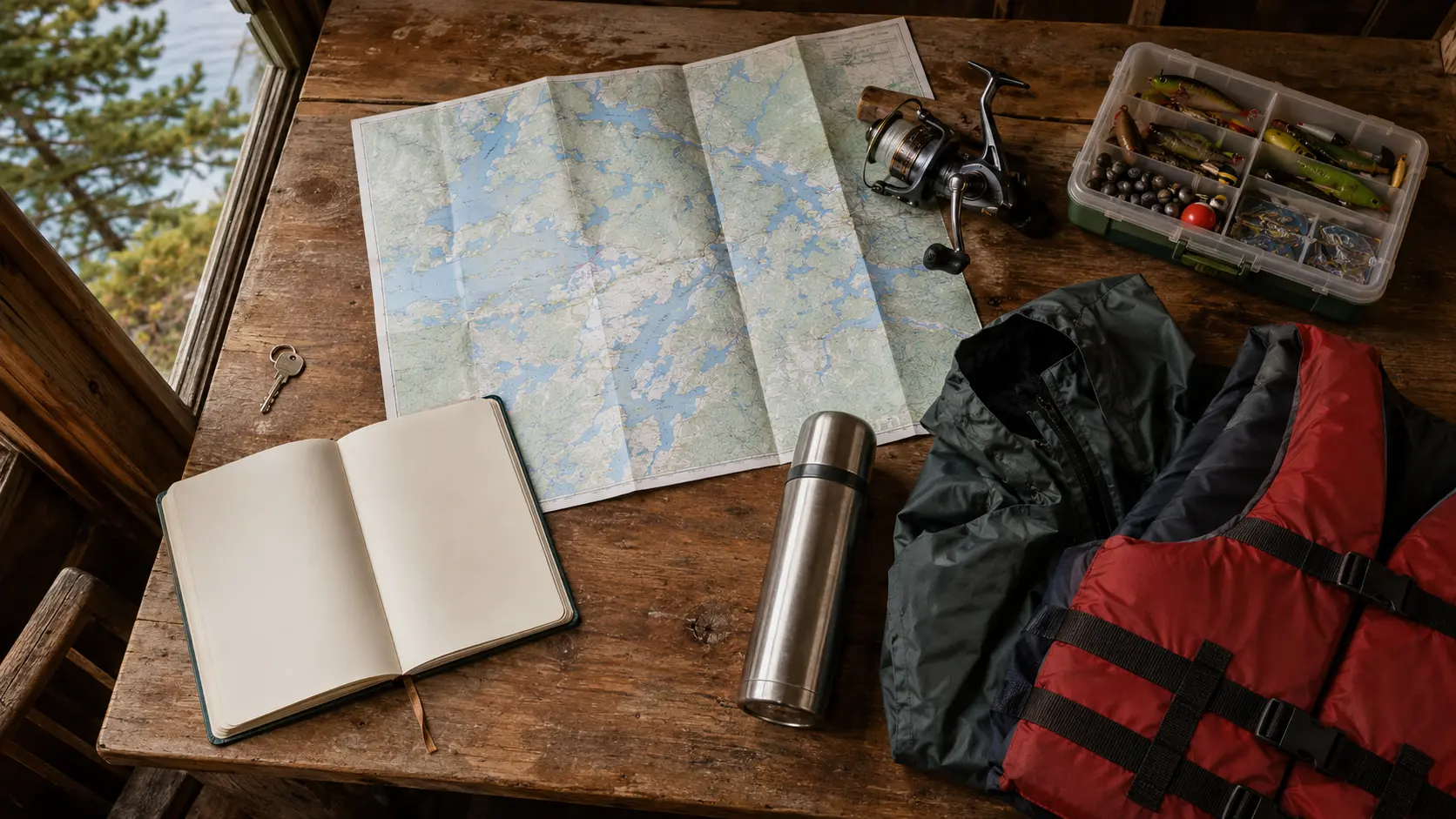
A good Ontario walleye trip begins before the boat reaches the launch. The lake must suit the group's goals, the lodging must fit daily needs and the travel plan must leave enough time for weather or road delays. Small details, such as freezer space, boat fuel, bait access and dock power, can change how smooth the week feels. Asking clear questions before paying a deposit prevents surprises and helps the operator point you toward the right package.
Start with the people. Note ages, boating skill, mobility needs, food needs and the amount of fishing each person wants. A group of skilled anglers may enjoy a remote outpost, while a mixed family group may prefer a drive-to resort with a beach and town nearby. Neither trip is better in every case. The best choice is the one that lets the full group relax, fish safely and return home wanting to go again.
Set the trip goal
Decide whether the main goal is steady action, a chance at larger fish, learning new water, family time or quiet wilderness. Set a rough budget and maximum travel time. Choose a season that works with school, work and the kind of fishing desired. Spring may offer shallow action, summer gives stable travel and many methods, fall brings cold-water feeding, and winter offers ice trips where services are available. Be honest about how many hours the group will fish. A full-service lodge may be worth the cost when guests want meals handled. A housekeeping cabin suits groups that enjoy cooking and setting their own schedule.
Compare access and lodging
Ontario fishing stays include roadside motels, campgrounds, cottage resorts, housekeeping camps, American Plan lodges, boat-in cabins and fly-in outposts. Ask what is included in the listed price and what costs extra. Confirm bedding, towels, kitchen gear, meals, electricity, running water, washrooms, fish cleaning, freezer space, dockage, parking and check-in times. Boat-in locations need arrival instructions and a plan for rough weather. Fly-in trips require aircraft baggage limits and details on supplied food or equipment. Read cancellation terms and deposit rules before booking. Written answers make it easier for every group member to understand the same package.
Bring a boat or rent one
Your own boat offers familiar controls, storage and electronics, but adds towing, launch and fuel planning. Ask about road condition, parking, dock size, power outlets, launch depth and nearby repair service. A camp boat removes the tow and may be well suited to local water. Confirm boat length, motor size, steering, seating, electronics, livewell, safety gear and daily fuel terms. On large water, ask whether the supplied boat is intended for long open crossings. Inspect the boat before leaving the dock and report any trouble early. Learn the safe local route, rock hazards and areas that become rough under common winds.
Decide whether to hire a guide
A local guide can save valuable time on a short trip and help skilled anglers learn a new type of water. Ask what the day includes, how many guests the boat holds, which gear is supplied and whether lunch, bait and fuel are part of the rate. Share your goals before the trip. A family may want patient instruction and steady action, while an experienced group may want to learn electronics or a specific method. Guides still work with weather and fish behaviour, so no honest operator promises a set catch. Their value comes from local knowledge, boat control, safe travel and teaching that lasts after the day ends.
Licences, zones and bait rules
Most adult anglers need an Outdoors Card and a valid Ontario fishing licence, though exemptions and visitor options exist. Check official Ontario information for the current requirement that applies to each person. Then identify the Fisheries Management Zone and read both the zone-wide rules and any waterbody exceptions. Review open seasons, catch and possession limits, size rules, sanctuaries, gear limits and bait restrictions. Rules may change from one year to the next. Fish ON-Line can help locate zones and water information, but the current regulations remain the main source. Save a copy for offline use when travelling where service is weak.
Build a useful packing list
Pack clothing in layers, including rainwear, warm mid-layers, sun protection, spare socks and footwear that grips a wet dock. Add required boat safety gear, lifejackets, medicines, first aid, insect repellent, sunscreen, reusable water bottles and a dry bag. Fishing gear should include core rods, proven lures, spare line, leaders, pliers, cutters and a measuring board. Bring chargers and backup power for phones and electronics. Remote trips may need food, dish supplies and sleeping items. Keep travel papers, licence details and booking information together. A printed checklist shared with the group reduces duplicate gear and prevents one missing item from becoming everyone's problem.
Travel with room for weather
Northern Ontario drives can include long gaps between fuel, food and late-night service. Fill the tank early, check tires and trailer bearings, and save key directions offline. Border visitors should review current entry rules and know which food, bait and goods may cross. Avoid a schedule that requires a risky boat run or late forest-road drive to make check-in. Weather may delay a flight or keep boats at the dock. Build some room into the plan and ask the operator how delays are handled. Once on the water, leave a daily route with someone and return before fatigue turns a simple run into a poor decision.
Confirm the final week details
Seven days before leaving, confirm arrival time, guest count, boat plans and any meal or bedding needs with the operator. Check the forecast without treating a long-range prediction as fixed. Buy licences, review the current rules and send the packing list to the group. Charge electronics, update maps, test batteries and inspect trailer lights, tires and bearings. Freeze food only when the lodging has suitable space. Put the first day's clothing and safety items where they can be reached without unpacking everything. A short final check keeps the first morning calm and lets the trip begin with fishing rather than errands or missing gear.