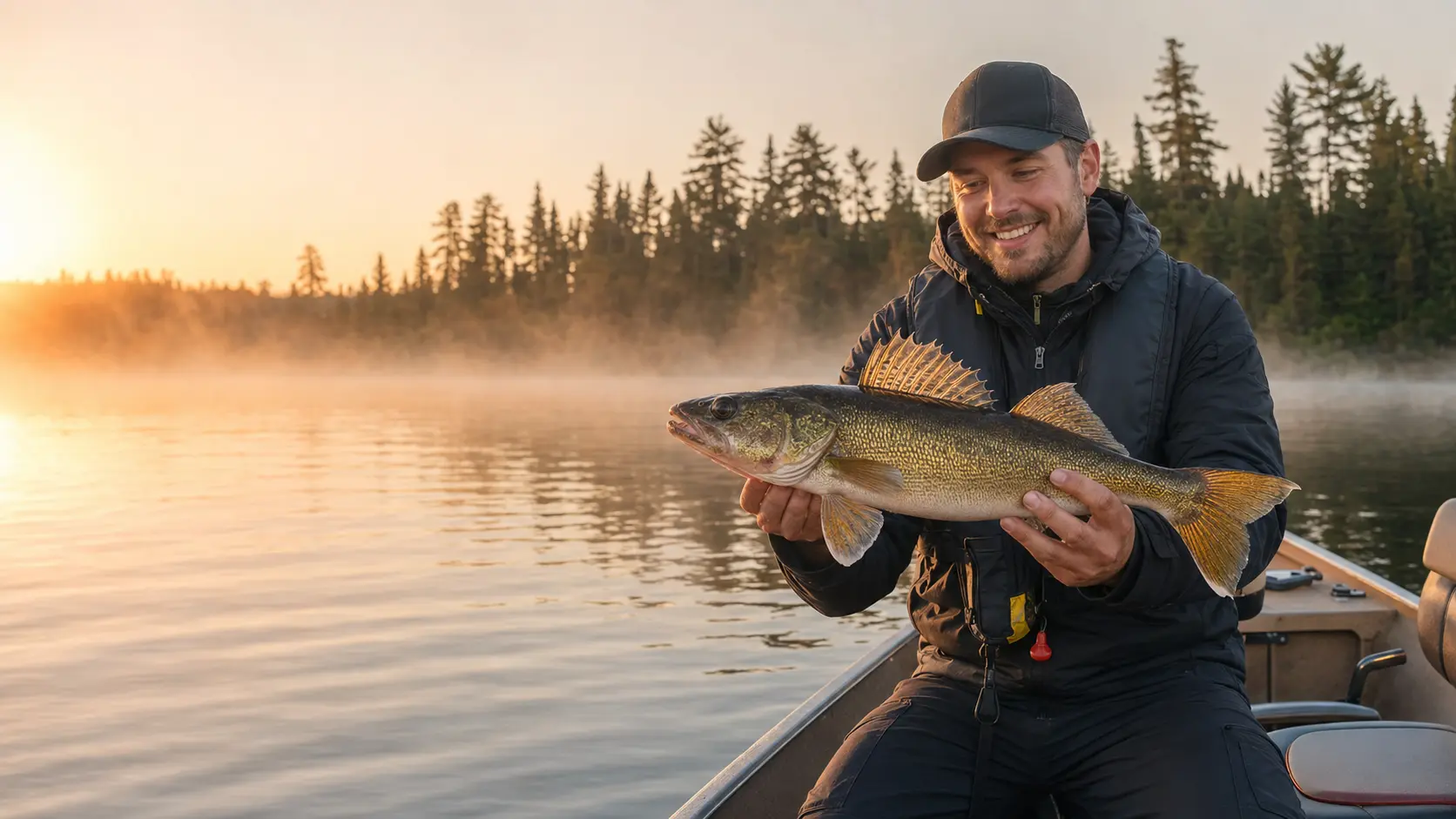
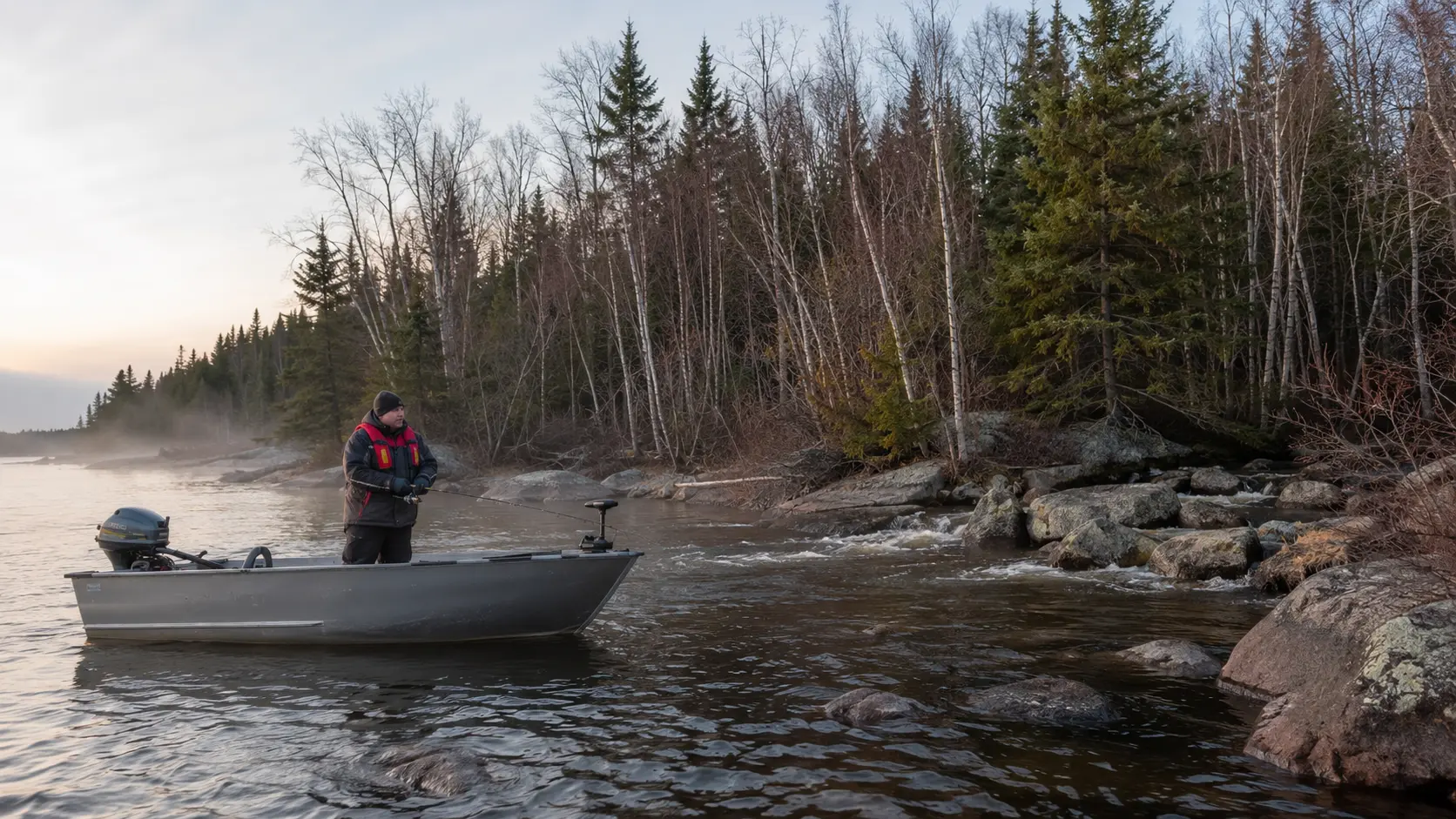
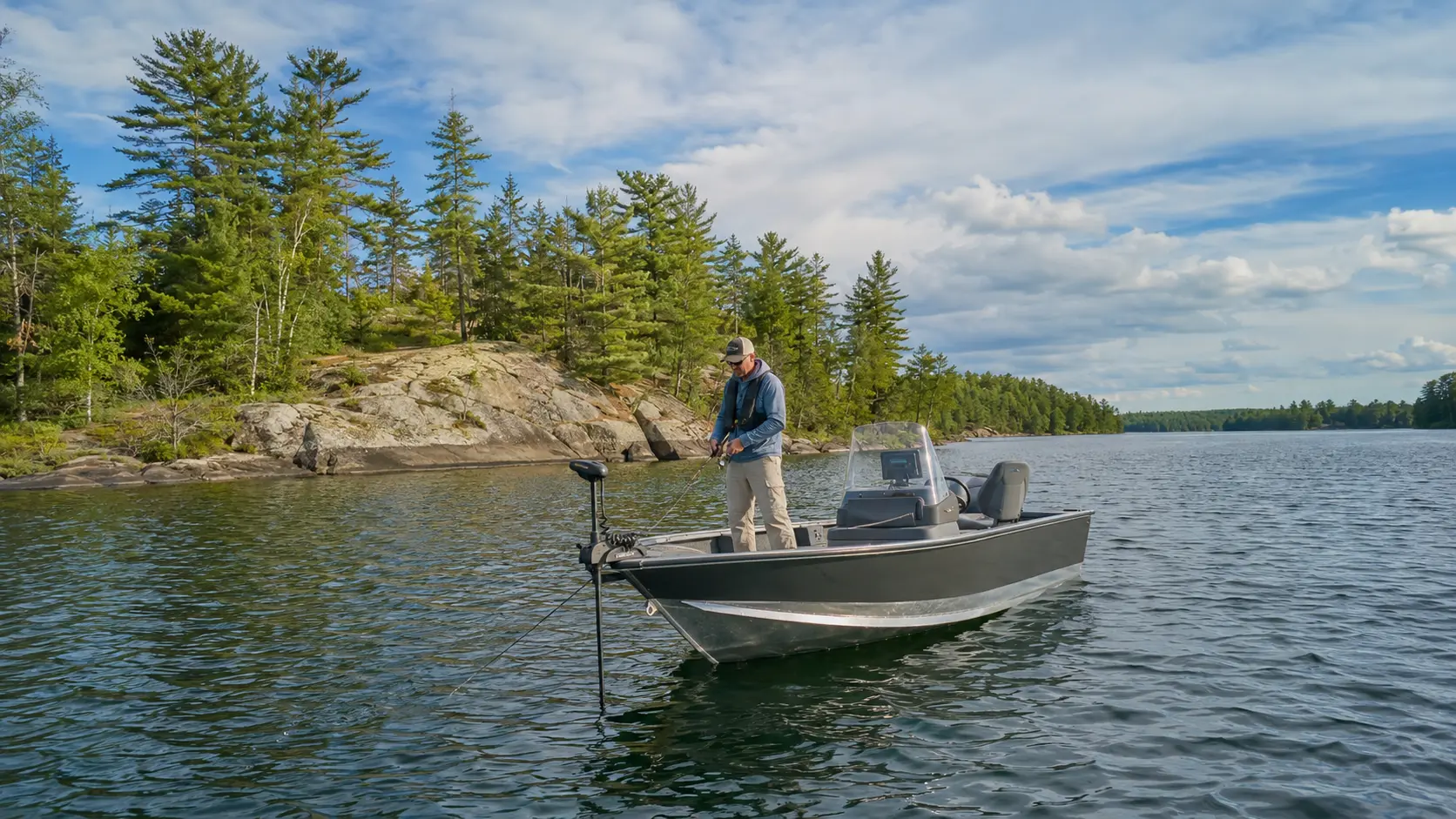
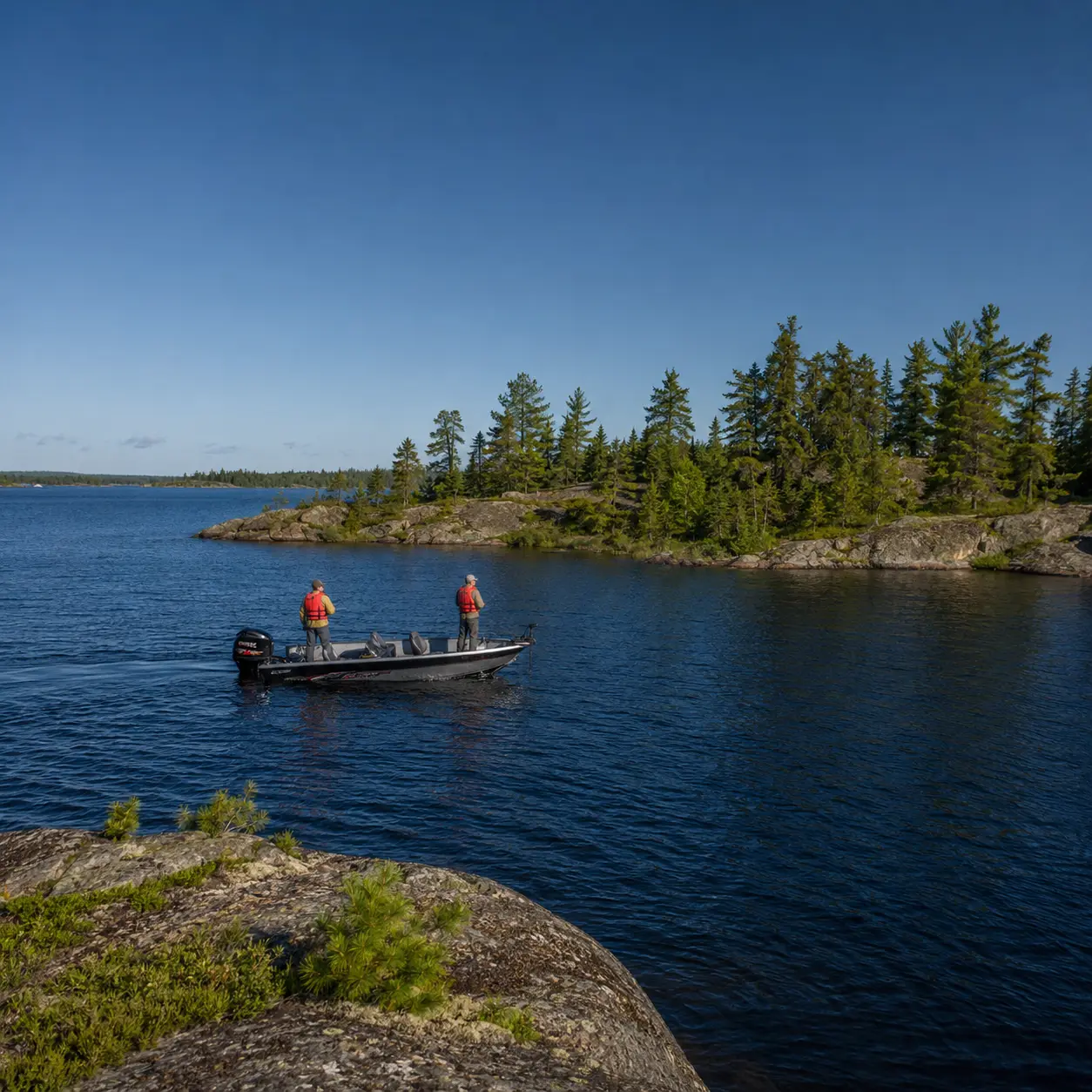
Ontario gives walleye anglers an almost endless choice of water. You can troll the open reaches of Lake Erie, jig the stained bays of Lake of the Woods, work windswept points on Lake Nipissing or book a remote trip where the next boat may be miles away. Each setting asks for a slightly different plan, yet the basic goal stays the same. Find the water that offers food, comfortable conditions and a good route between resting and feeding areas. This site brings those pieces together in one useful place for resident anglers, visiting families and travelling fishing groups.
Walleye are often called pickerel in Ontario. Whatever name you use, their changing habits are part of the appeal. A spot that is quiet at noon may come alive near sunset. A reef that held fish in June may be empty by August. Wind, light, water colour, baitfish and depth all help set the daily pattern. Good anglers pay attention to those signs, keep moving when needed and let the fish show them what is working. The guides here are meant to help you make those choices with less guesswork.
A province built for walleye trips
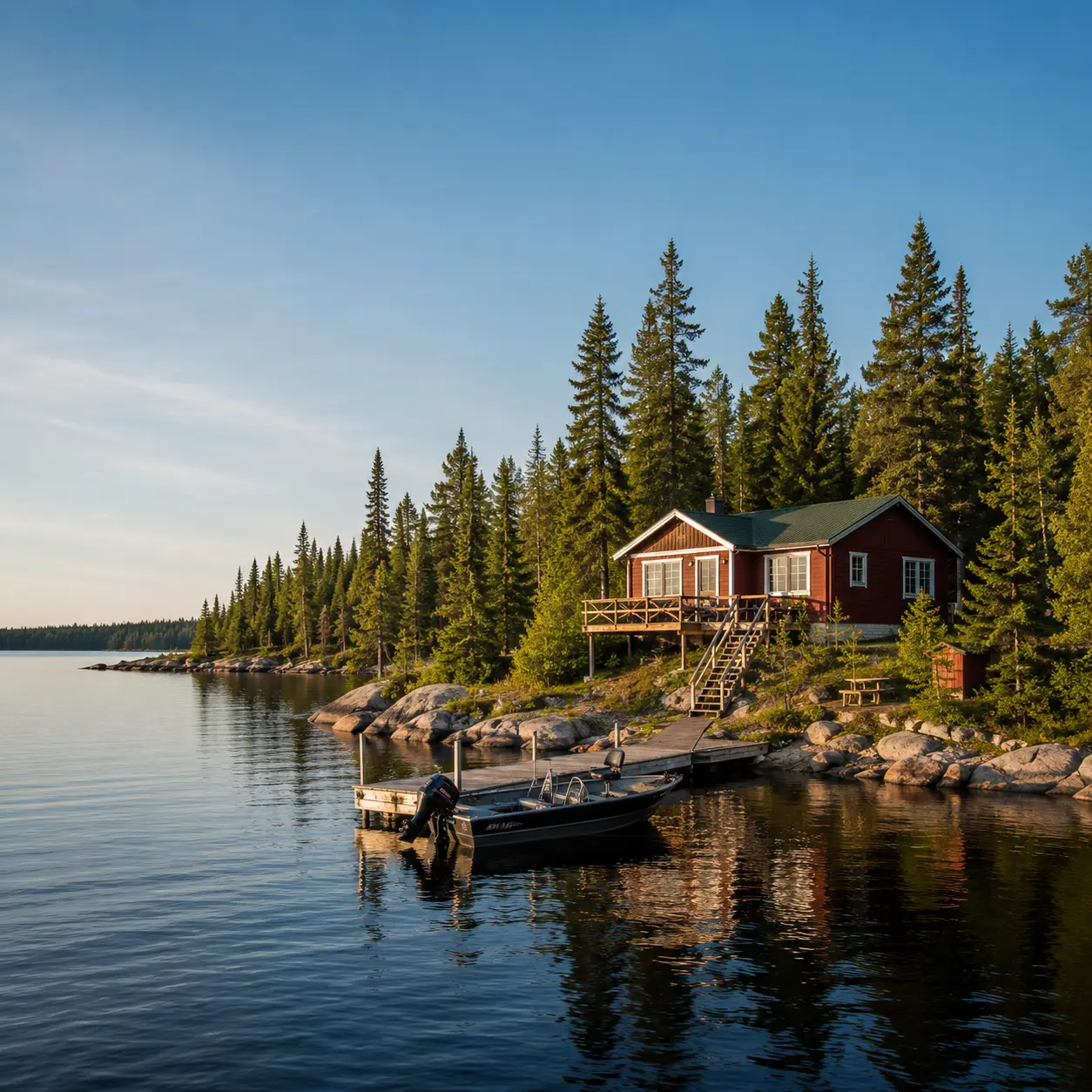
Ontario stretches from busy southern ports to roadless northern water. That range means a walleye trip can be as simple as an evening launch near home or as large as a week at a fly-in lodge. Drive-to camps make it easy to bring your own boat and gear. Full-service lodges may supply meals, boats and local guides. Housekeeping cabins give families room to set their own pace. Day charters on big water suit anglers who want capable equipment and local knowledge without planning every detail. The right choice depends on your group, travel time, boating confidence and the kind of water you want to fish.
Choose water that suits your style
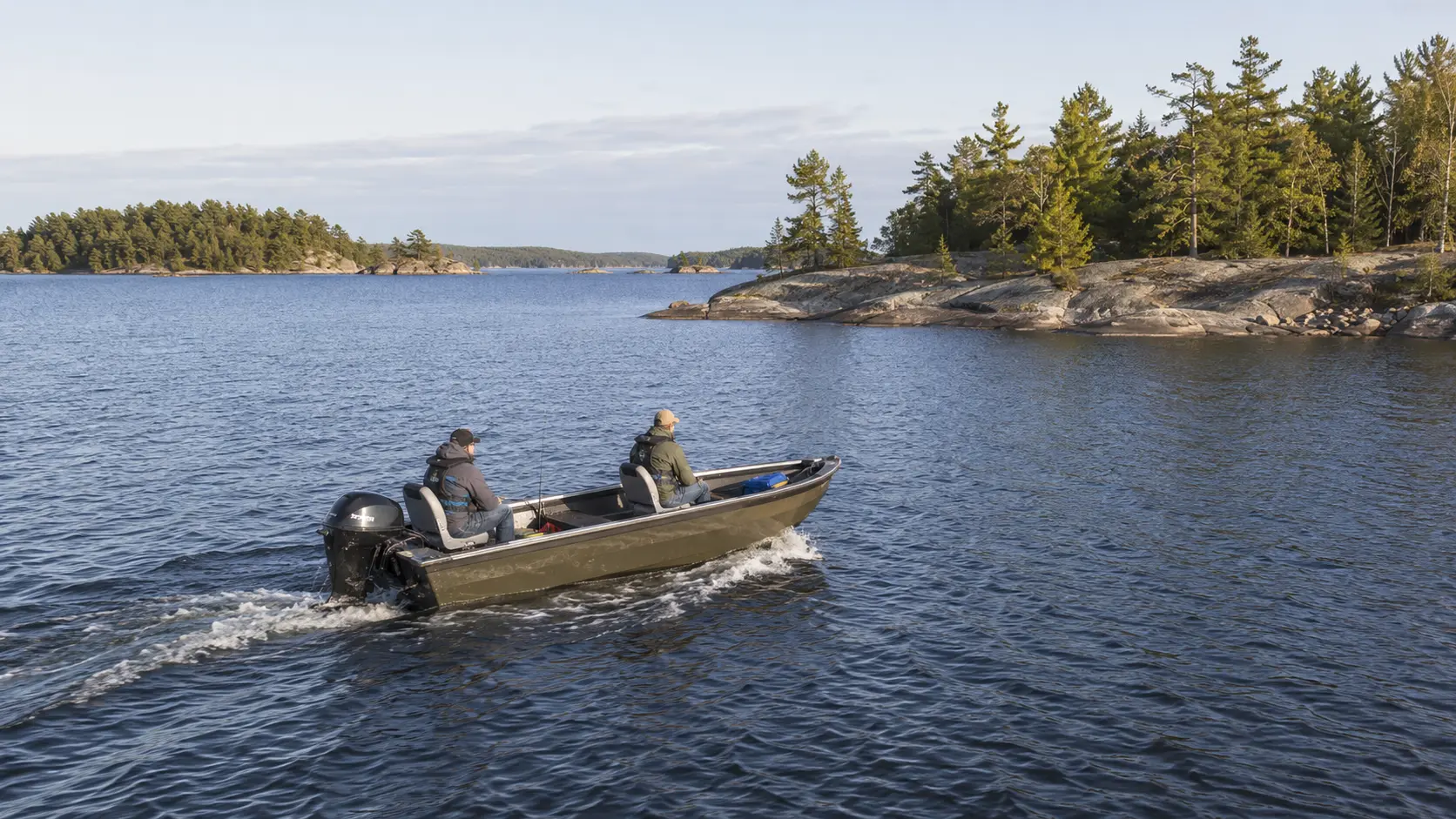
Big-water trolling, shield-lake jigging and river fishing can all produce walleye, but they feel very different on the water. Lake Erie rewards anglers who enjoy electronics, long trolling passes and open-water boat control. Northwestern lakes offer islands, reefs, neck-down areas and sheltered routes that suit jigs, rigs and casting. Rivers often place fish near current seams, holes, bridge areas and incoming creeks. Smaller inland lakes can be easier to read and safer when wind rises. Before booking, think about boat size, launch access, average depth, navigation hazards and whether your group wants numbers, larger fish or a quiet northern setting.
Follow the season, not the calendar alone
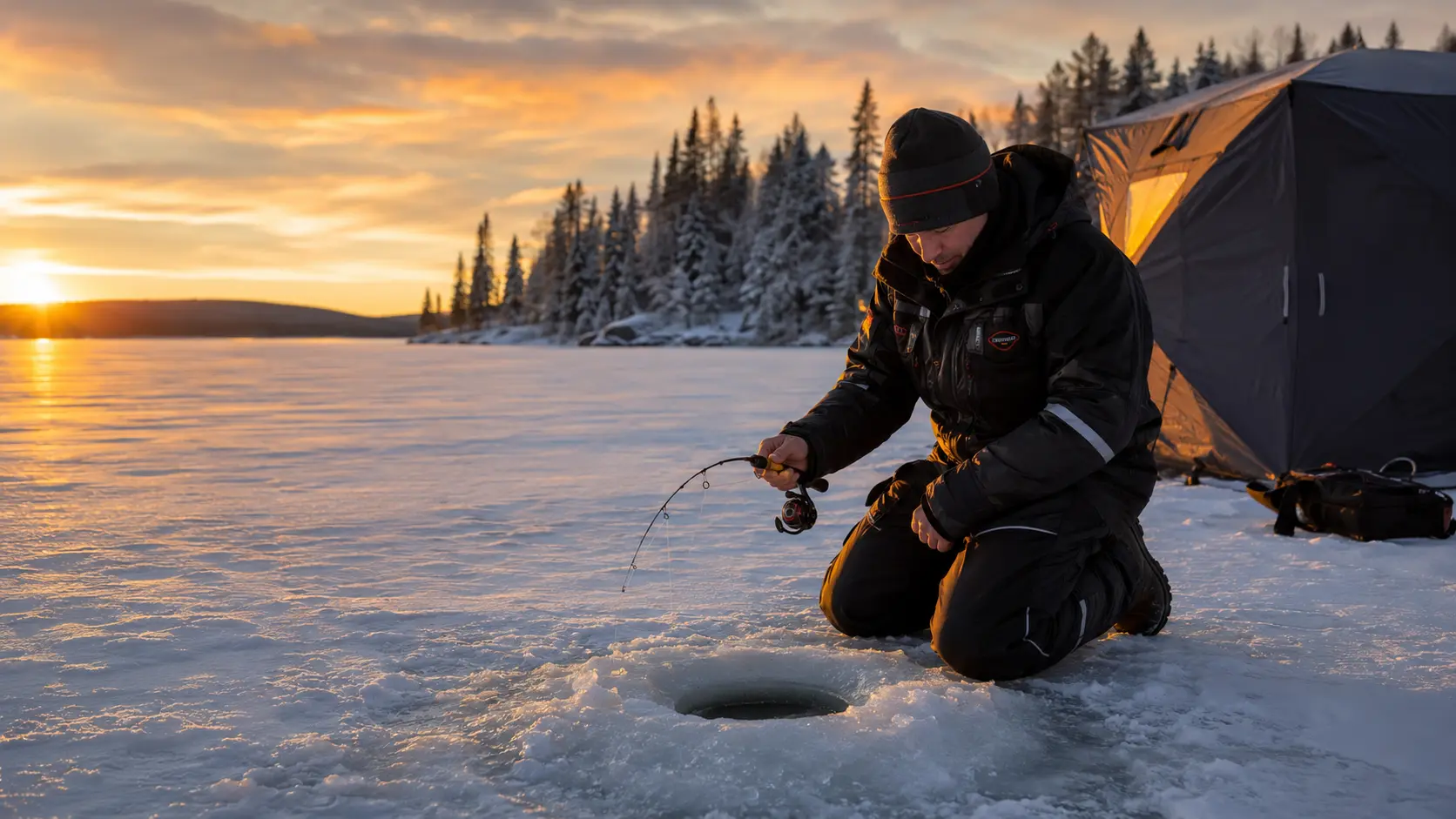
Seasonal movement gives every trip a starting point. After spawning, many walleye stay near warming bays, current and shallow rock. As early summer arrives, weeds, points and the first sharp depth changes become important. Mid-summer fish may spread across deep flats, suspend near baitfish or settle on reefs and humps. Fall often brings fish back toward strong feeding areas, including steep breaks, river mouths and rocky structure. Winter places safety first, then asks anglers to watch travel routes between feeding flats and deeper water. Weather can push any of these shifts ahead or hold them back, so use water conditions along with the date.
Carry a short list of dependable methods
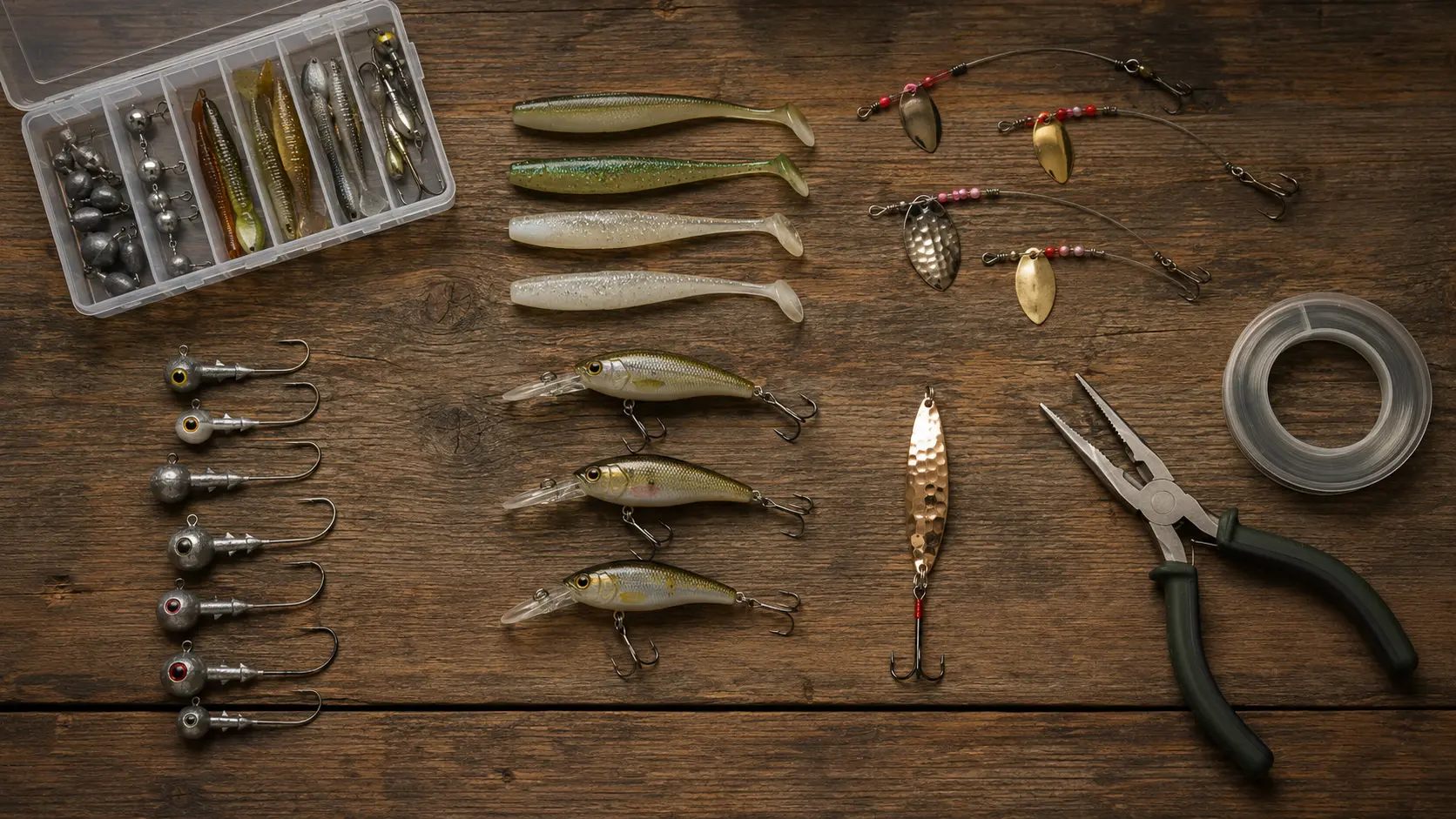
You do not need a packed tackle shop to catch Ontario walleye. A jig and soft plastic or live bait covers many depths and seasons. A bottom bouncer and spinner rig searches broad flats and weed edges. A slip float holds bait above rock, wood or weeds with very little forward movement. Crankbaits cover shoreline, open water and deep structure when casting or trolling. Jigging spoons and blade baits shine when fish are grouped below the boat or through winter ice. Learn a few methods well, then change weight, speed, colour and depth before abandoning a promising area. Small changes often matter more than a new lure.
Use maps and electronics with purpose
A lake map helps turn a huge body of water into a short list of targets. Look for points that reach deep water, saddles between islands, inside turns, humps, narrows, river mouths and broad flats near a sharp edge. On the water, sonar can confirm depth, bottom hardness, baitfish and fish near the boat. GPS trails help you repeat a productive pass and return safely through island country. Electronics do not replace careful fishing. They help you spend more time where the odds are better. Mark bites, note the depth and watch for a shared feature. A pattern built from several bites is far more useful than one lucky fish.
Plan for changing Ontario weather
Weather can turn quickly on large lakes and far northern water. Check the marine or local forecast before leaving, then keep watching wind direction, clouds and distant rain. Carry approved lifejackets, required safety gear, warm layers, rainwear, drinking water and a reliable way to call for help. Let someone know your route and return time when fishing remote areas. Keep a paper map as a backup and leave enough fuel for a changed route. On unfamiliar water, slow down near islands, reefs and narrow channels. A safe decision may shorten one fishing day, but it protects the rest of the trip and everyone in the boat.
Know the rules for the water you fish
Ontario is divided into 20 Fisheries Management Zones, and walleye seasons, limits and size rules are not the same everywhere. Individual lakes and rivers may also have exceptions, sanctuaries or bait rules. Check the current Ontario Fishing Regulations Summary before each trip, even if you have visited the lake before. Fish ON-Line can help identify the zone and show waterbody information. Make sure each angler has the right Outdoors Card and fishing licence when required. Keep fish only when they are legal for that water and handle released fish with wet hands, firm support and as little time out of the water as possible.
Build a simple first-day plan
Choose three areas before launching: one shallow, one middle-depth and one close to deeper water. Give each a fair test with a method suited to the setting. Record every bite, follow and missed fish, then compare depth, bottom, wind and bait. When one clue repeats, spend more time on places with that feature. Keep one backup area near the launch in case weather cuts the day short. This plan prevents random running and still leaves room to respond when fish show a different answer. Ontario's water is large, but a calm process turns it into a small set of useful daily choices.